Family businesses and corporate governance · November 23, 2026
Family protocol: how to protect the business before succession
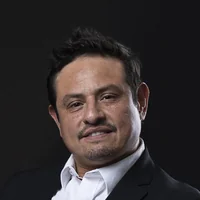
Sebastián Salinas Fuenzalida
Founding partner of Salinas & Cía. Abogados
Many family businesses run well while the founder is in charge. The problems come later: deciding who will lead, what happens to the shares of a child who does not work in the company, or how to divide the inheritance without splitting the business. The family protocol is the tool to answer those questions before they become disputes.
What is a family protocol?
It is an agreement among the members of a business family that sets the rules of their relationship with the company. In Chile it has no specific legal regulation: it is a private agreement, and its strength depends on how it is drafted and on its rules also being carried into the documents the law does recognise.
What does it usually cover?
- Which family members may work in the company and on what conditions.
- How directors or managers are chosen.
- What happens if a partner wants to sell: family pre-emption rights and how shares are valued.
- How profits are distributed and when they are reinvested.
- How disagreements are resolved, for example through a family council or arbitration.
- How and when management passes to the next generation.
The protocol alone is not enough
For its rules to be enforceable, they must be reflected in other instruments: the company's bylaws, shareholder agreements and, for succession, wills. The latter requires care, because Chilean law reserves part of the estate for forced heirs: the founder cannot freely dispose of all their assets, and planning must respect those limits.
When should it be done?
While the founder is active and the family is on good terms. A protocol negotiated in advance, with all branches of the family involved, is far more likely to be followed than one improvised in the middle of a dispute.
Three signs your company needs one
- There are children or nephews and nieces with different expectations about the company.
- The bylaws do not say what happens to the shares if a partner dies or wants to leave.
- Important decisions depend on a single person.
At Salinas & Cía. Abogados we support business families in drafting the protocol and implementing it in bylaws, agreements and estate planning.
Sebastián Salinas Fuenzalida is a lawyer and founding partner of Salinas & Cía. Abogados. This article is for information only and does not replace legal advice on a specific case.
Sources
- Civil Code, arts. 1167 et seq. and 1184; Law 18,046, art. 14
Related area: Family businesses and corporate governance →
Need guidance on your case?
Tell us briefly about your query and we will reply promptly.